Chilled Storage in Saudi Arabia: Your 2026 Cold Chain Guide
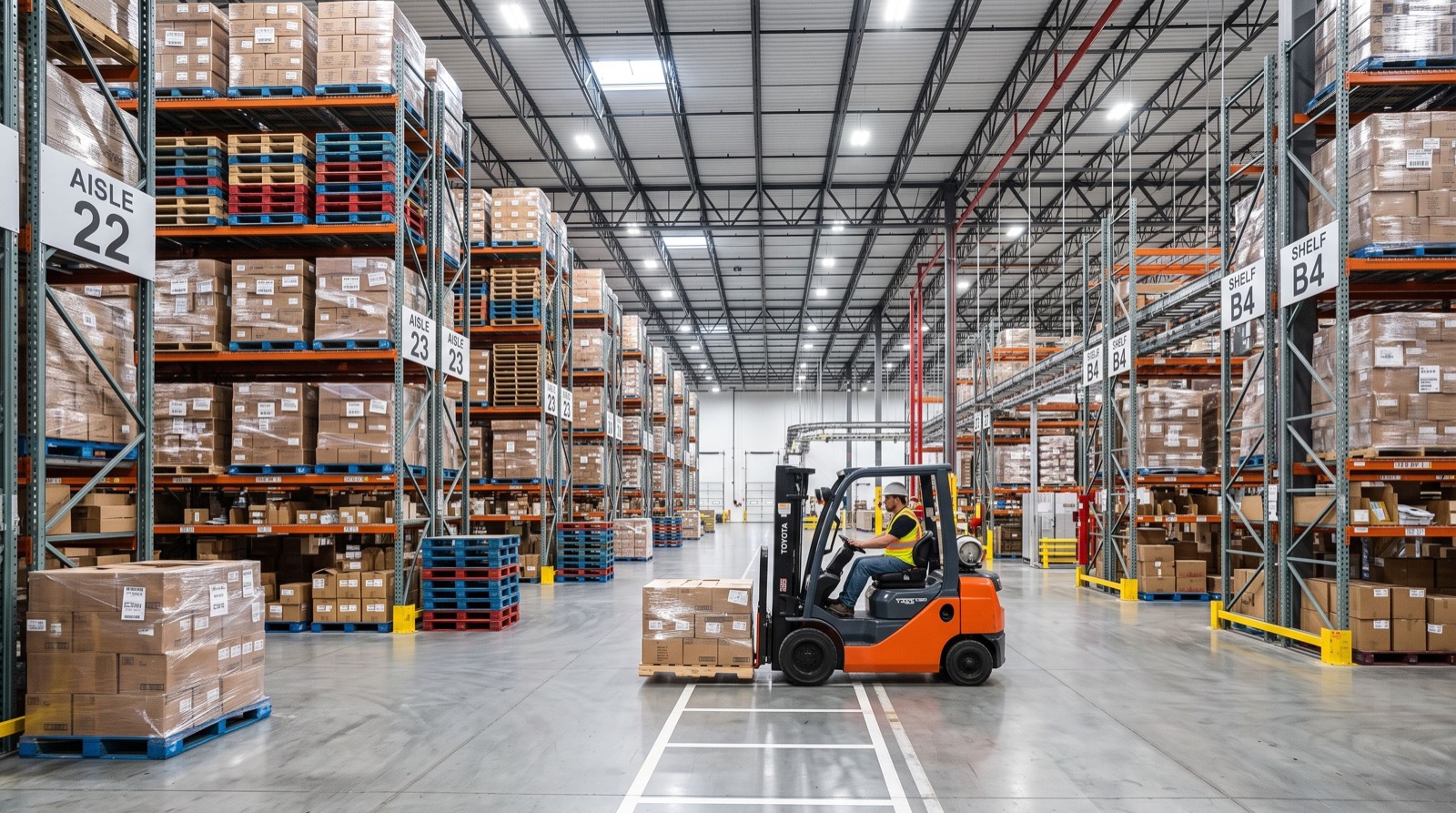
Reliable Chilled Storage in Saudi Arabia has become essential infrastructure for food, pharmaceutical, and fresh-produce businesses operating in one of the world’s hottest climates. When outdoor temperatures soar past 45 degrees Celsius, a stable cold chain is the only thing standing between quality stock and costly spoilage. In 2026, as the Kingdom’s population and food imports grow, demand for dependable refrigerated warehousing keeps climbing.
This guide explains how chilled storage works, who needs it, and how to choose a facility that protects your products from the moment they arrive to the moment they ship.
Why Chilled Storage in Saudi Arabia Is Mission-Critical
The Kingdom imports a significant share of its fresh food, and much of that journey depends on an unbroken cold chain. A few hours in the heat can ruin dairy, produce, or vaccines. The Saudi Food and Drug Authority enforces strict temperature and traceability rules precisely because the risks are so high.
Chilled storage holds products in a controlled range, usually between 2 and 8 degrees Celsius, slowing bacterial growth and preserving freshness. For businesses, that stability means less waste, longer shelf life, and full regulatory compliance.
Who Relies on Cold Storage?
- Food importers and distributors handling dairy, meat, and produce.
- Restaurants and catering companies managing fresh ingredients.
- Pharmaceutical firms storing temperature-sensitive medicine.
- Supermarkets and e-grocery platforms fulfilling fresh orders.
How Does Chilled Storage Differ From Ambient Storage?
Understanding the difference prevents costly mistakes. Chilled storage actively refrigerates goods, while ambient storage holds shelf-stable products at a controlled room temperature. Many businesses need both, splitting inventory by how each item behaves.
For products that do not require refrigeration, such as canned goods, grains, and packaged dry foods, Ambient Storage in Saudi Arabia offers a cost-effective way to protect stock from heat and humidity without the expense of refrigeration. Pairing both services under one roof simplifies logistics.
Key Features of Quality Cold Storage
Not every refrigerated warehouse delivers the same reliability. When evaluating providers, focus on the features that keep your cold chain unbroken.
- Redundant refrigeration and backup power to survive outages.
- Continuous temperature monitoring with alerts and digital logs.
- Rapid-access docks that limit warm-air exposure during loading.
- Hygiene and pest-control protocols that meet SFDA standards.
Purpose-built Chilled Storage in Saudi Arabia combines these safeguards so your products stay within range from intake to dispatch, even during the peak of summer.
Chilled vs Ambient Storage at a Glance
The table below highlights how the two storage types compare for Saudi businesses in 2026.
| Factor | Chilled Storage | Ambient Storage |
|---|---|---|
| Temperature | 2–8°C | Controlled room temperature |
| Typical goods | Dairy, produce, medicine | Canned, dry, packaged goods |
| Energy cost | Higher | Lower |
| Shelf-life role | Extends perishables | Preserves stable stock |
Protecting the Cold Chain From End to End
A cold chain is only as strong as its weakest link. The danger is rarely inside the warehouse itself; it is during transfers, loading, and transport. Each handoff is a chance for temperature to drift.
Leading operators minimize this risk with sealed dock doors, pre-cooled vehicles, and tight scheduling that keeps products moving. They also train staff to log temperatures at every stage, creating a paper trail that satisfies auditors and protects your brand.
A Practical Tip for Summer
One insight experienced cold-chain managers rely on: schedule your inbound and outbound deliveries for early morning during peak summer. Cooler ambient air at dawn reduces the thermal shock during loading and eases the strain on refrigeration systems. This simple scheduling change can noticeably cut spoilage and energy costs across the hottest months.
Choosing the Right Cold Storage Partner
Your products are only as safe as the team guarding them. Partner with reputable service experts who can prove their track record, show their monitoring systems, and respond fast when conditions change.
Ask about backup power, how quickly alarms escalate, and whether you can view temperature data remotely. Providers aligned with the logistics goals of Saudi Vision 2030 treat reliability as non-negotiable, because a broken cold chain costs far more than the storage itself.
Managing Energy and Costs Without Risking Quality
Refrigeration is energy-intensive, and in the Saudi summer those costs climb fast. The challenge is trimming energy use without ever letting the temperature drift out of its safe range. The good news is that efficiency and safety usually pull in the same direction.
Well-designed facilities invest in heavy insulation, high-speed dock doors, and modern compressors that hold temperature with less power. Smart monitoring also spots problems early, before a small fault becomes a spoiled pallet.
Operators serious about efficiency focus on a few proven levers:
- Insulation and sealing — keeping cold air in and hot air out.
- Door discipline — fast-closing doors that limit warm-air intrusion.
- Load planning — grouping shipments to reduce door openings.
- Preventive maintenance — servicing compressors before they fail.
These measures lower bills while protecting the cold chain, a balance that matters more each year as both energy prices and demand for refrigerated space rise across the Kingdom.
Frequently Asked Questions
What temperature does Chilled Storage in Saudi Arabia maintain?
Most chilled facilities hold products between 2 and 8 degrees Celsius, the ideal range for dairy, fresh produce, and many medicines. Continuous monitoring keeps the temperature stable and documented.
Do I need both chilled and ambient storage?
Often, yes. Perishables require refrigeration, while dry and packaged goods only need protection from heat and humidity. Using both lets you store each product correctly and control costs.
How do facilities prevent spoilage during power cuts?
Quality providers install backup generators and redundant refrigeration units, so cooling continues uninterrupted even if the main power supply fails during the summer peak.
Is chilled storage suitable for pharmaceuticals?
Yes, provided the facility meets SFDA standards with validated monitoring, alarms, and traceability. Always confirm certifications before storing temperature-sensitive medicine.
Final Thoughts
In a climate as demanding as the Kingdom’s, Chilled Storage in Saudi Arabia is not a luxury; it is the backbone of any fresh-product business. The companies that protect their cold chain, pair it with the right ambient space, and partner with proven experts are the ones that cut waste and win customer trust. As demand grows through 2026, invest in storage that keeps your products at their best. Ready to safeguard your cold chain? Explore reliable chilled storage solutions today.