For a farmer in Khyber Pakhtunkhwa, the diesel bill for running a tube well is often the single biggest cost of the whole season. That is exactly why solar tube well systems have gone from a curiosity to a serious investment across rural Pakistan in 2026. When you swap a diesel or grid-powered pump for one driven by the sun, your water becomes almost free the moment the panels are paid off, and that changes the economics of an entire farm.
I have set up pumping systems for growers on both sides of the Indus, and the questions are always the same: will it lift enough water, what size do I need, and how long until it pays back? Let me answer those directly.
Why solar tube well systems make sense for farmers
Diesel prices are unpredictable, and grid power in farming belts is patchy at best. A solar pump sidesteps both problems. Once installed, it runs on sunlight during the exact hours you most need to irrigate, with no fuel to buy and no load-shedding to wait out.
The maths is compelling. A single tube well can burn through a large diesel budget every month during peak season. A solar system carries a bigger upfront cost, then runs on almost nothing for years afterward. For most farmers I work with, the crossover comes surprisingly fast.
What you stop paying once you go solar
- Monthly diesel refuels that swing with global fuel prices.
- Frequent engine servicing, oil changes, and part replacements.
- Grid connection charges and rising per-unit electricity tariffs.
- Lost crop time spent waiting for the grid to return.
How to size a solar pump for your land
Sizing a farm system is different from sizing a home. Here the key numbers are your water requirement, the depth you are pumping from, and the horsepower of your pump. Get those wrong and you either starve your fields or waste money on oversized panels.
As a broad guide, deeper wells and larger horsepower pumps need more panel capacity. The table below reflects what I typically install for common tube well setups in the region.
| Pump size | Approx. depth | Solar array needed | Suited to |
|---|---|---|---|
| 3 HP | Up to 100 ft | 3–4 kW | Small orchard, kitchen fields |
| 5 HP | 100–200 ft | 5–6 kW | Mid-size farm, few acres |
| 7.5 HP | 200–300 ft | 7.5–10 kW | Larger holdings, row crops |
| 10 HP+ | 300 ft and deeper | 10 kW and above | Commercial-scale irrigation |
These are starting points. Your water table, sunlight hours, and how many hours a day you pump all shift the final figure, which is why a proper on-site assessment matters.
Which pump: AC or DC, and with or without batteries?
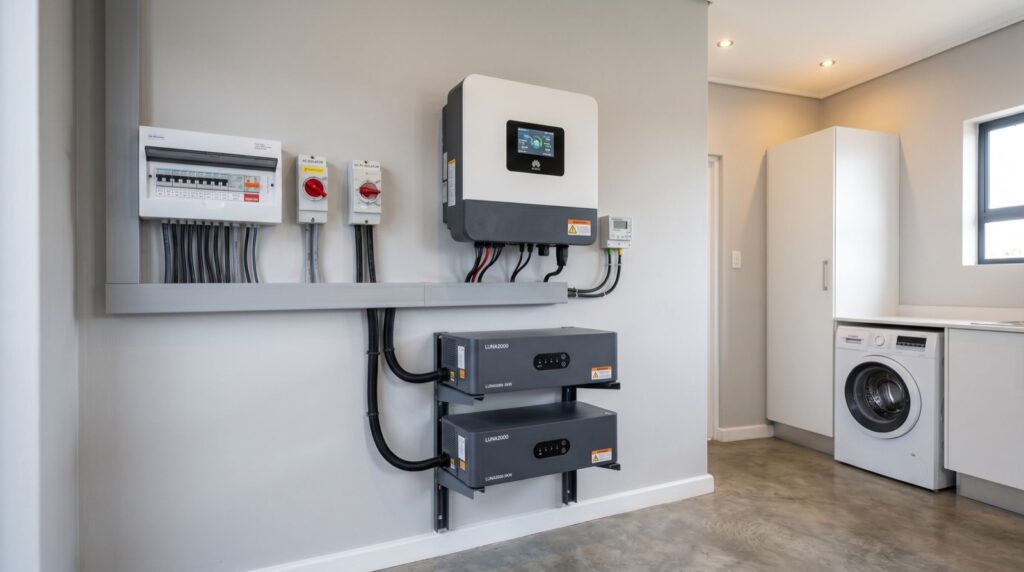
Most farm solar pumps run directly off the panels through a solar-rated inverter or a VFD drive, no battery needed. You pump when the sun shines, which for irrigation is usually exactly when you want to.
- Direct solar (no battery): the cheapest and most popular. Pump runs on daylight only.
- Hybrid with grid backup: the drive also accepts grid or generator power for cloudy days or night pumping.
- Battery-backed: rare for large pumps because batteries big enough get costly, but useful for small, critical supplies.
For most KPK farmers, direct solar with an optional grid tie-in is the sweet spot. It keeps costs down while still letting you pump on an overcast afternoon if the crop demands it.
How long until a solar tube well pays for itself?
This is the question every grower asks, and it deserves a straight answer. Payback depends on how much diesel or grid power you currently burn, but for a hard-working tube well the system often pays for itself within a few seasons, after which the water is effectively free.
Government and provincial schemes have periodically offered subsidised financing for agricultural solar, so it is worth checking current programmes through the Alternative Energy Development Board (AEDB) before you buy. A subsidy can shorten payback dramatically.
When you look at the quality panels you need to buy solar panels in Pakistan for a pumping array, prioritise durability. Farm panels sit in open fields taking dust, heat, and the odd hailstorm, so tier-one modules with strong warranties earn their keep.
Keeping a farm system running in dust and heat
Rural installations face harsher conditions than rooftops in town. A little maintenance protects your investment and keeps water flowing.
- Wipe or rinse panels every couple of weeks; dust can cut output by a fifth or more.
- Angle panels for maximum seasonal sun and clear any crop shadows.
- Check pump and drive connections before each irrigation season.
- Keep the inverter or VFD in a shaded, ventilated spot away from direct rain.
One field tip I always share: mount the panels high enough that animals and machinery cannot knock them, and leave room to walk between rows for cleaning. It sounds obvious, but a poorly placed array is a maintenance nightmare within a year.
Choosing the right installer matters
A farm system is only as good as its installation. Loose DC connections, undersized cable, or a wrongly matched drive will cripple output. Working with an solar company in Kohat that knows local water tables and field conditions saves you from expensive rework and keeps your fields watered on schedule.
Frequently Asked Questions
Can solar really run a deep tube well?
Yes. Solar pumps are available for wells several hundred feet deep. The key is matching panel capacity and pump horsepower to the depth and your daily water need, which a proper site survey determines.
Do I need batteries for a solar tube well?
Usually not. Most farm pumps run directly off the panels during daylight, which is when irrigation happens anyway. Batteries add significant cost and are only worth it for small, round-the-clock supplies.
How much does a solar tube well system cost in Pakistan?
Cost depends on pump horsepower and well depth, so a small 3 HP setup costs far less than a 10 HP commercial system. Because prices move with the market, ask an experienced local team for a current, itemised quote.
Will it pump enough on a cloudy day?
Output drops under heavy cloud, so a hybrid drive that also accepts grid or generator power is useful in wetter areas. For most of KPK’s sunny season, direct solar delivers ample water for daily irrigation.
The bottom line
For farmers tired of diesel bills and grid failures, solar tube well systems offer near-free irrigation and real independence in 2026. Size the array to your pump and depth, consider available subsidies, and install with quality panels and a knowledgeable local team. Do it right and your tube well stops draining your profits and starts protecting them, season after season.